September 17, 2026
Designing custom apparel for your team or organization requires making several decisions upfront to ensure the finished product looks polished, lasts long, and aligns with your overall vision. Whether you are ordering branded polos for executive meetings, casual t-shirts for promotional events, or durable outerwear for field personnel, choosing the right customization method plays a massive role in the final result. The two most popular methods for customizing garments are screen printing and embroidery, and each comes with distinct visual qualities, material compatibility, and economic benefits. Selecting the right application depends on your budget, garment fabric, design complexity, and the image you want to portray to clients and employees alike.
Understanding the Fundamentals of Screenprinting
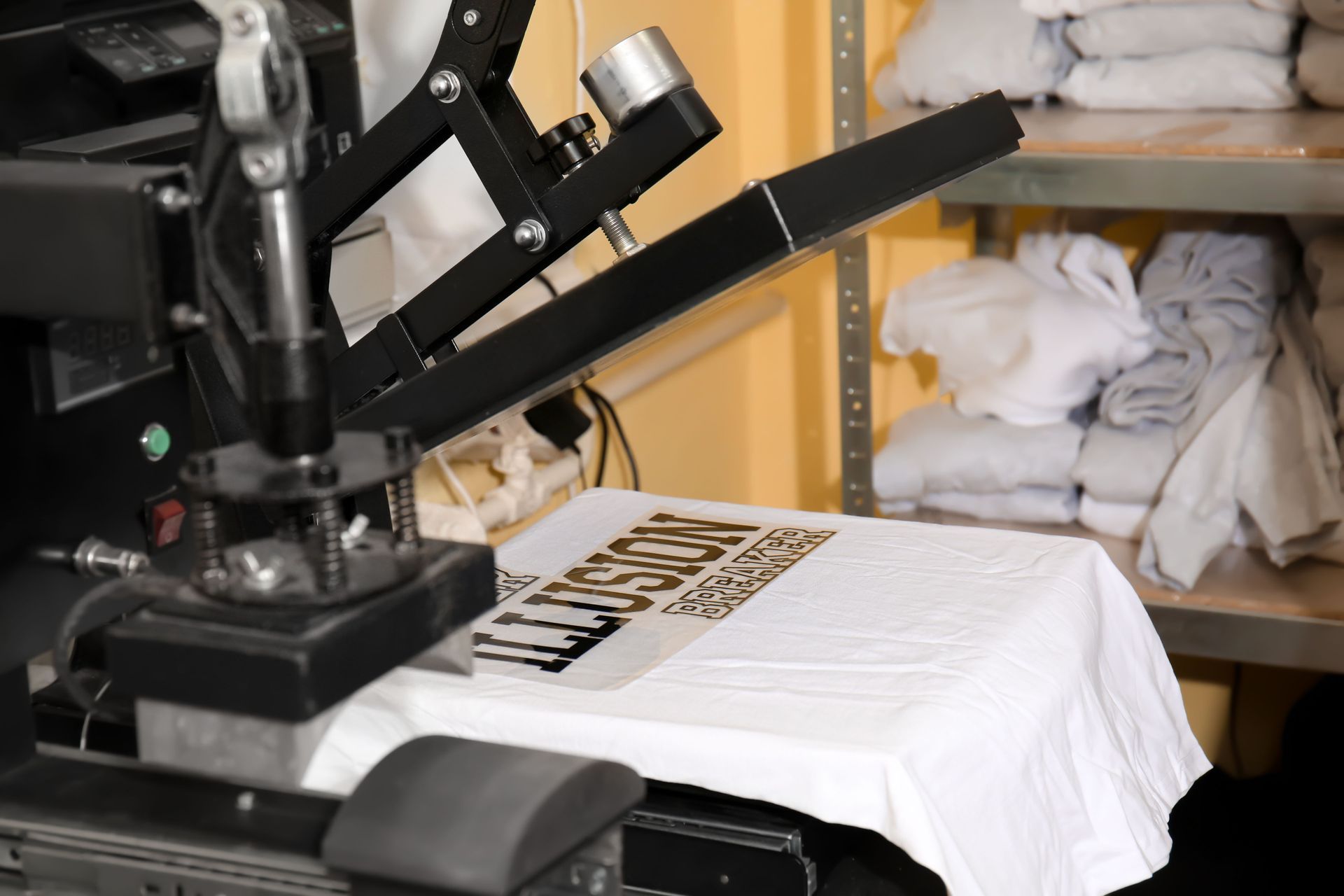
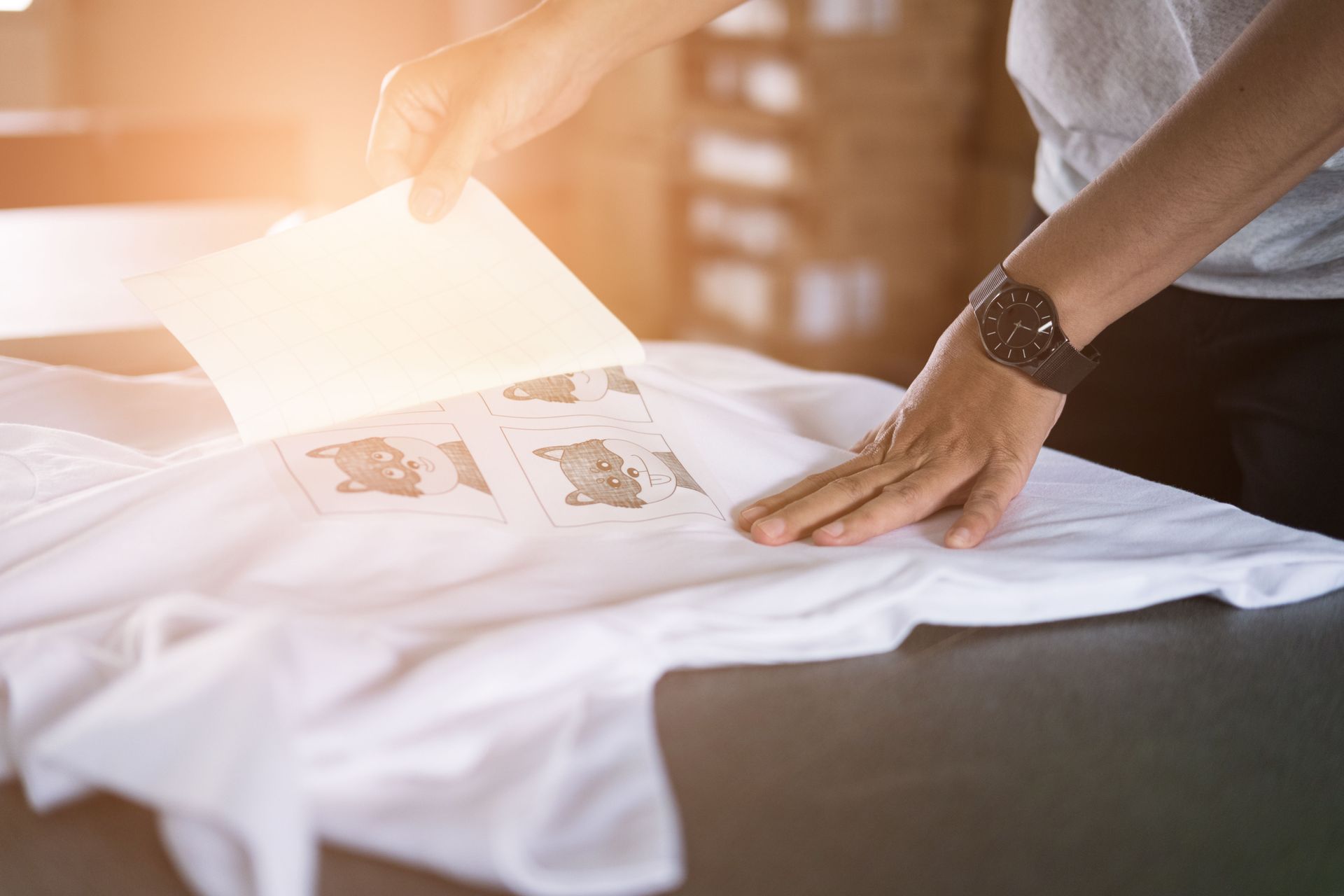
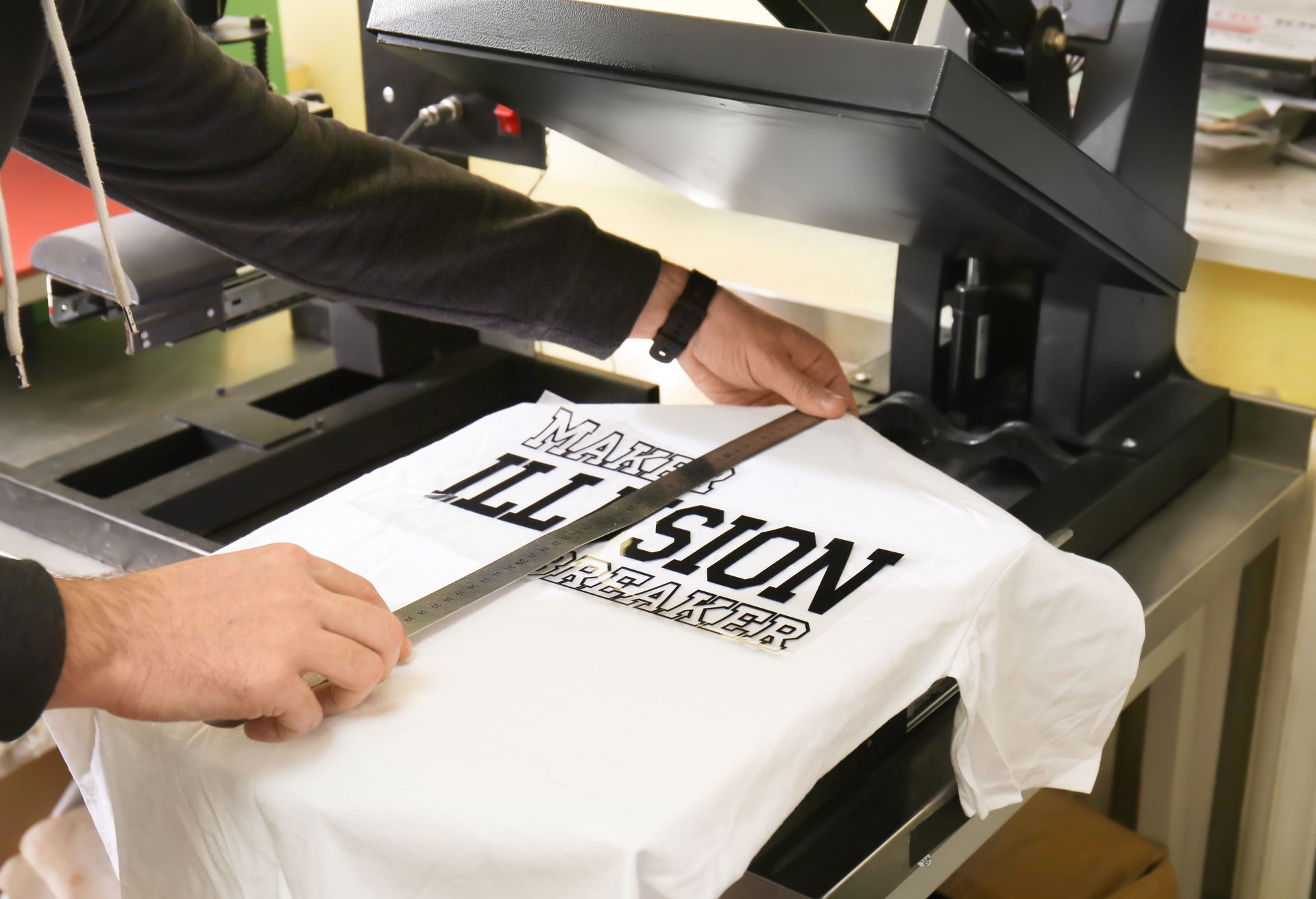
Screenprinting involves pushing ink through a mesh stencil onto fabric to create vibrant and precise visual designs. Each color in a design requires a separate mesh screen, making the setup process involved but highly effective for large orders. This technique allows thick, opaque inks to settle onto various fabric surfaces, producing crisp logos and vivid graphic illustrations. Businesses often choose this method when they want bright colors that stand out on promotional apparel, company t-shirts, and casual workplace attire. Because the ink bonds directly to the textile surface, screenprinted garments remain flexible and comfortable for everyday wear.
Exploring the Craftsmanship of Stitching
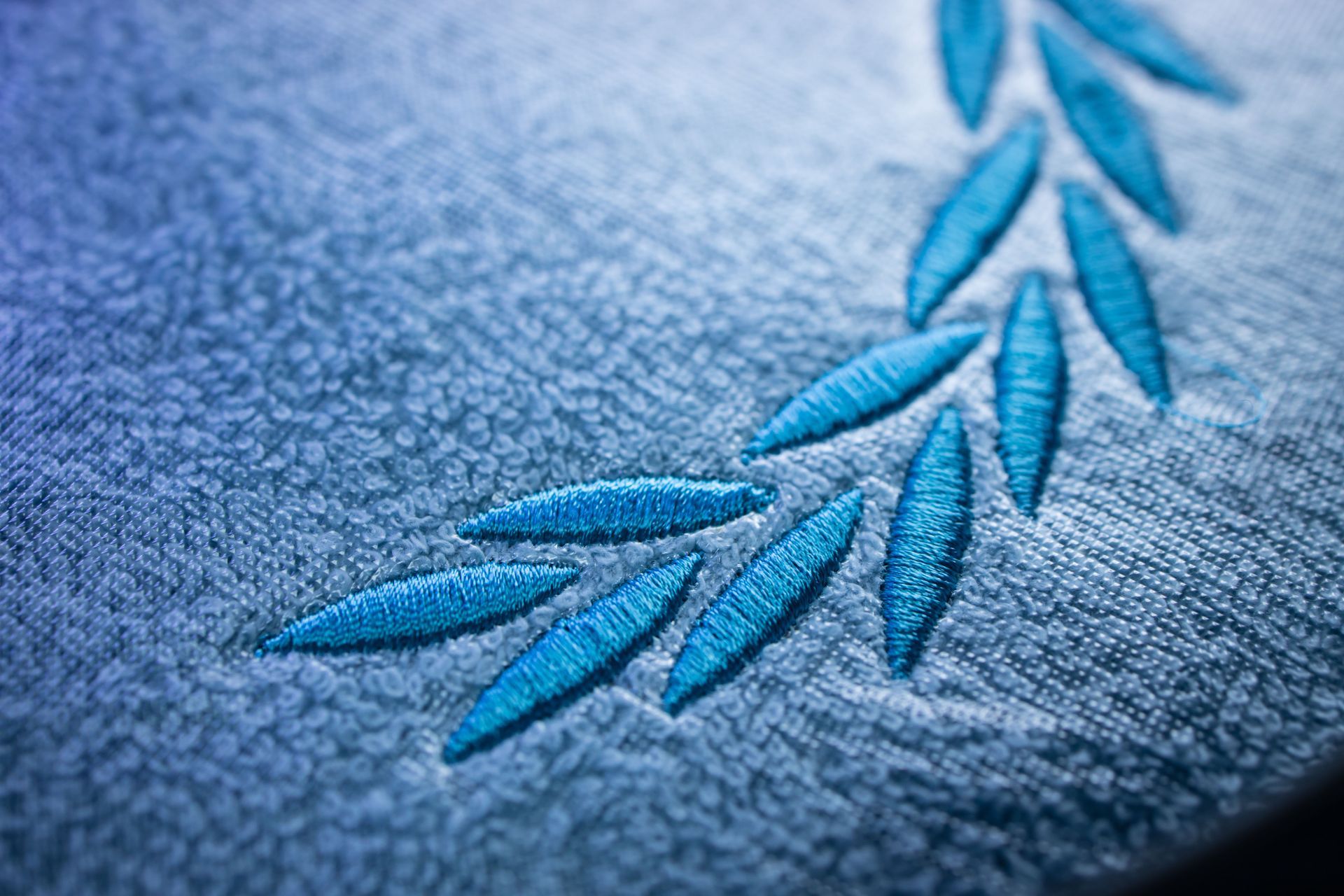
Embroidery relies on computer-controlled stitching machines to sew high-density thread patterns directly into the weave of a garment. Selecting professional embroidery services gives corporate attire a classic, dimensional finish that feels substantial and elevated. The thread reflects light slightly, creating a rich texture that naturally holds up through repeated laundering and heavy daily use. Common applications include chest logos on polo shirts, jacket crests, structure-backed hats, and uniform aprons. Corporate environments often prefer stitch-based branding because it conveys stability, professionalism, and subtle sophistication without being overly flashy.
Evaluating Fabric Compatibility and Garment Weight
The type of fabric you plan to customize should directly influence whether you choose ink or thread application. Lightweight materials, such as thin cotton tees, performance mesh, or polyester blends, handle printed ink effortlessly without dragging down the fabric. On the other hand, heavyweight fabrics like fleece hoodies, canvas jackets, denim, and structured polo shirts excel when paired with quality embroidery services. If you apply heavy threadwork to thin material, the fabric may pucker or sag under the weight of the stitching. Conversely, applying ink to high-pile fabrics like fleece can sometimes produce an uneven surface texture.
Analyzing Durability and Longevity for Daily Workwear
Corporate clothing often undergoes frequent laundering and continuous wear, making long-term durability a top priority for company managers. Stitched logos retain their sharp edges and original luster even after dozens of laundry cycles, resisting fading and heat exposure extremely well. While printed graphics also offer excellent longevity when produced properly, they can eventually show surface wear or micro-cracking after extensive heat drying over several years. Companies that require industrial uniforms or heavy outerwear frequently choose robust embroidery services because the thread stands up to rigorous physical activity and tough workplace conditions.
Measuring Cost Factors and Order Quantities
Budget constraints and order volume heavily influence which customization technique delivers the strongest value for your business. Screenprinting features upfront setup requirements for screen creation, which makes larger production runs significantly more economical per unit. Conversely, stitch-based applications are priced primarily on stitch count and overall design size rather than the total number of colors used. If your company needs a modest batch of multi-colored pocket logos on polo shirts, utilizing embroidery services can prove cost-effective regardless of how many shades of thread your logo requires.
Comparing Visual Aesthetics and Design Detail
The visual impact of your corporate gear comes down to fine details, color gradients, and overall texture. Print techniques excel at capturing tiny text, intricate line art, soft color fades, and full-color graphics with high clarity. Threadwork brings a three-dimensional depth and premium tactile quality to simpler logos, monograms, and bold brand marks. While stitch machines cannot replicate ultra-fine lines or soft photo gradients as easily as ink, opting for embroidery services provides an unmistakable sense of craft and luxury that elevates basic workplace apparel into premium uniforming.
Additionally, choosing high-quality thread ensures that these detailed designs remain sharp and vibrant through countless washes. By thoughtfully balancing your design elements with the appropriate application method, you create a polished, lasting look that effectively showcases your brand.
Adapting Branding Strategies to Consumer Expectations
Modern consumers and corporate clients pay close attention to brand presentation, often associating uniform quality with overall service standards. According to Segment, 89% of business leaders believe personalization is critical for the success of their company over the next three years. Providing well-crafted branded clothing to your workforce aligns with this forward-thinking mindset by creating cohesive, instantly recognizable team identities. Utilizing tailored embroidery services for your client-facing employees helps project a unified image that reinforces attention to detail across every customer interaction.
Selecting the Right Method for Company Outerwear and Caps
Headwear, winter jackets, and professional outerwear require careful consideration because their construction differs from standard shirts. Outerwear materials often feature weather-resistant coatings, thick insulation, or textured weaves that make printing challenging. Caps and beanies feature curved or ribbed surfaces that naturally accommodate dense needlework much better than flat ink application. Ordering custom embroidery services for your team jackets, fleece vests, and corporate hats ensures that your company branding remains clear, crisp, and securely anchored to rugged fabrics regardless of outdoor conditions.
Balancing Employee Comfort and Functional Movement
Employee comfort directly impacts productivity and morale, so garment flexibility should remain central to your uniform decisions. Large stitched designs on the chest or back can feel stiff or heavy against the body during long work shifts. For expansive back graphics or large promotional text, printing offers a smooth, lightweight feel that moves naturally with the wearer. However, for small crests, sleeve logos, and subtle chest placement, specialized embroidery services offer clean branding without compromising the natural fit or breathability of work shirts. Additionally, providing lightweight, flexible options helps staff stay comfortable throughout active workdays. Prioritizing both functionality and style ensures your team feels confident and supported in their daily attire.
Aligning Custom Apparel with Event Types and Settings
Matching your customization method to specific corporate events ensures your team looks appropriately dressed for every occasion. Casual trade shows, community outreach events, company picnics, and athletic sponsorships call for relaxed printed T-shirts and breathable performance tops. High-level client meetings, trade conference booths, executive retreats, and daily office uniforms benefit from refined embroidery services on button-down shirts, sweaters, and structured polos. Matching the production style to the environment ensures your brand appears intentional, professional, and well-aligned with your corporate goals.
Ultimately, both customization styles offer unique advantages depending on your garment choices, budget parameters, and brand identity goals. Print application shines bright on large-run promotional orders and lightweight fabrics where smooth graphics are essential. Threadwork provides unmatched texture, durability, and elegance for structured outerwear, hats, and formal corporate workwear. By evaluating your fabric types, order size, and intended usage, you can select the precise technique that showcases your organization in the light it deserves. When you are ready to bring your vision to life with professional embroidery services, partner with Mo's Special T's to build custom corporate apparel that represents your business with quality and style.